Unraveling the Mix-Up: BART and Bart Conner Net Worth
If you've landed on this page searching for information about Olympic gymnast Bart Conner net worth, you might be a little surprised by the context. It's a common search query, often leading to a delightful case of mistaken identity in the digital world. While Bart Conner is indeed a celebrated figure in gymnastics, our focus here is on a different, equally vital "BART": the Bay Area Rapid Transit system.
The confusion is understandable. The acronym BART is globally recognized as the robust public transportation network serving the San Francisco Bay Area. Online searches often default to this dominant interpretation, leading users seeking personal finance details about Mr. Conner down an entirely different track—quite literally! For those truly seeking financial insights into the famous gymnast, you'll need to consult specialized celebrity finance or sports news sources, as transit systems, by their nature, do not track such information. In fact, our reference materials explicitly state that no information regarding Bart Conner Net Worth: Info Not Found in BART Transit Data exists within their extensive databases.
Instead, let's pivot to what "BART" truly represents in the Bay Area: a lifeline of modern transportation, connecting millions of residents and visitors across the vibrant region. So, prepare to explore the intricate network of tracks, stations, and services that define the Bay Area's pulse, rather than the financial achievements of a sports icon.
Understanding the Bay Area Rapid Transit (BART) System
The Bay Area Rapid Transit (BART) system is much more than just a train service; it's the backbone of public transportation for the San Francisco Bay Area. Spanning multiple counties, BART provides a critical link for commuters, tourists, and residents, significantly impacting the region's economy, environment, and daily life. Established in 1972, BART has grown into a sophisticated system designed to alleviate traffic congestion, reduce carbon emissions, and offer an efficient alternative to driving.
What is BART?
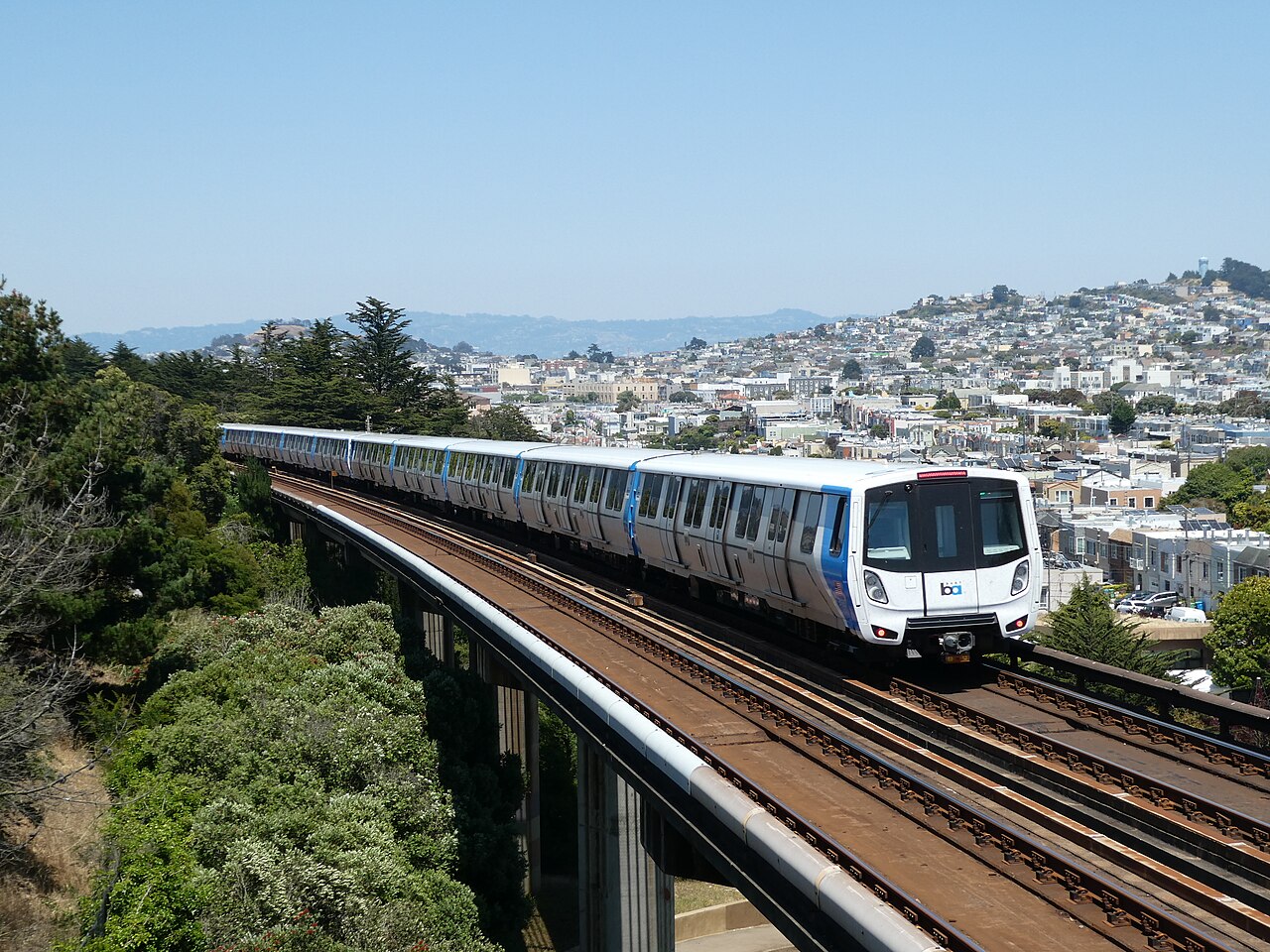
BART operates as a heavy-rail public transportation system, primarily serving Alameda, Contra Costa, San Francisco, and San Mateo counties, with an extension into Santa Clara County. Its network of electric trains runs both underground through city centers and over elevated tracks, bridges, and tunnels, including the famous Transbay Tube beneath San Francisco Bay. This extensive coverage makes it possible to travel from the East Bay to San Francisco and beyond, often quicker and more conveniently than by car, especially during peak hours.
Why is BART Important to the Bay Area?
- Economic Driver: BART facilitates access to major employment centers in San Francisco, Oakland, Berkeley, and Silicon Valley, supporting countless businesses and industries. Without BART, the daily commute for hundreds of thousands would be significantly more challenging, impacting productivity and growth.
- Environmental Sustainability: By encouraging millions of riders to choose public transit over private vehicles, BART plays a crucial role in reducing traffic congestion, air pollution, and the region's carbon footprint. It's a sustainable choice for environmentally conscious travel.
- Accessibility and Connectivity: The system connects key residential areas with cultural attractions, major airports (like SFO and OAK), sporting venues, and educational institutions, making the Bay Area more accessible for everyone. It bridges communities and fosters a sense of regional unity.
- Resilience: BART offers a reliable transportation option, especially during adverse weather conditions or major events when road travel can become gridlocked. Its dedicated lines often bypass surface traffic altogether.
For those interested in understanding the essential infrastructure of the Bay Area, it's clear that Bay Area Rapid Transit: Not Your Bart Conner Net Worth Source, but rather a source of immense value for regional mobility.
Navigating BART: Your Essential Guide to Bay Area Travel
Using BART is generally straightforward, but a few tips can enhance your travel experience, whether you're a first-time visitor or a seasoned commuter.
Planning Your Trip
The best way to start your BART journey is by planning. Websites like bart.gov and apps like Moovit offer robust trip planners. Simply input your starting point and destination, and they will provide schedules, estimated travel times, and fare information. BART trains typically run from early morning until late night, though specific hours vary by line and day of the week, so always check the latest schedules.
Fares and Payment
BART operates on a distance-based fare system, meaning the cost of your ride depends on how far you travel. The primary payment method is the Clipper card, a reloadable fare card used across various Bay Area transit systems. You can purchase a Clipper card at any BART station and load it with cash value or a monthly pass. Most stations also have vending machines where you can buy paper tickets (though Clipper is generally preferred for ease of use and often lower fares). For ultimate convenience, you can add your Clipper card to your smartphone's digital wallet (Apple Pay or Google Pay) and simply tap and go at fare gates.
At the Station
- Entry and Exit: Tap your Clipper card or insert your paper ticket at the fare gate upon entry and again upon exit. The system automatically calculates and deducts the correct fare.
- Platforms: Pay attention to electronic signs indicating train destinations and estimated arrival times. Platforms are typically separated by direction of travel.
- Safety: Be mindful of your belongings, especially during peak hours. BART trains and stations are monitored, but common-sense safety practices are always advisable.
Riding the Train
BART trains are generally clean and comfortable, offering seating and standing room. You'll hear announcements for upcoming stations. Many trains also feature digital displays showing the next stops. During your ride, enjoy the views, catch up on reading, or simply relax. Remember to be considerate of fellow passengers by keeping noise levels down and not blocking doorways.
Connecting to Other Transit
BART is highly integrated with other Bay Area transit options. Many stations offer connections to local bus services (Muni, AC Transit, SamTrans), regional rail (Caltrain, Capitol Corridor), and even ferries. This seamless connectivity makes it possible to reach virtually any destination in the broader Bay Area.
Beyond Commuting: The Impact and Future of BART
BART's role extends far beyond merely transporting people from point A to point B. It's an integral part of the Bay Area's identity, reflecting its commitment to innovation, urban development, and sustainable living. The system constantly evolves, adapting to the region's changing needs and technological advancements.
Ongoing Enhancements and Modernization
BART is continually investing in its infrastructure to improve reliability, increase capacity, and enhance the rider experience. This includes:
- Fleet of the Future: Introduction of new, modern train cars featuring updated interiors, digital displays, and enhanced accessibility features.
- Track and Power Upgrades: Essential maintenance and replacement of aging infrastructure to ensure smooth and safe operations.
- Station Modernization: Updates to existing stations, including improved lighting, signage, accessibility features, and retail options.
- New Extensions: While major extensions like the Berryessa/North San Jose extension have recently opened, plans for future expansion continue to be explored to serve growing communities.
BART and Urban Development
BART stations often serve as anchors for transit-oriented development (TOD). These developments create vibrant, walkable communities around public transportation hubs, reducing reliance on cars and fostering mixed-use spaces with housing, retail, and offices. This strategic urban planning leverages BART's connectivity to build more sustainable and livable cities.
Community and Culture
BART is also a cultural conduit. It takes fans to sporting events at Oracle Park or Chase Center, brings concert-goers to entertainment venues, and delivers art enthusiasts to museums. It's a shared experience, reflecting the diversity and energy of the Bay Area. The public art installations found in many BART stations further enrich this cultural connection.
Conclusion
While a search for Bart Conner net worth might lead you down an unexpected path, we hope this journey through the world of the Bay Area Rapid Transit system has proven equally insightful and valuable. BART is not a source for celebrity financial details, but rather an indispensable pillar of transportation, economic growth, and environmental sustainability in one of the most dynamic regions in the world. Understanding BART's operations, planning, and ongoing evolution provides a true sense of how the Bay Area moves, connects, and thrives. Whether you're a daily commuter or a curious visitor, leveraging this impressive transit network offers efficiency, convenience, and a unique perspective on the vibrant Bay Area.
