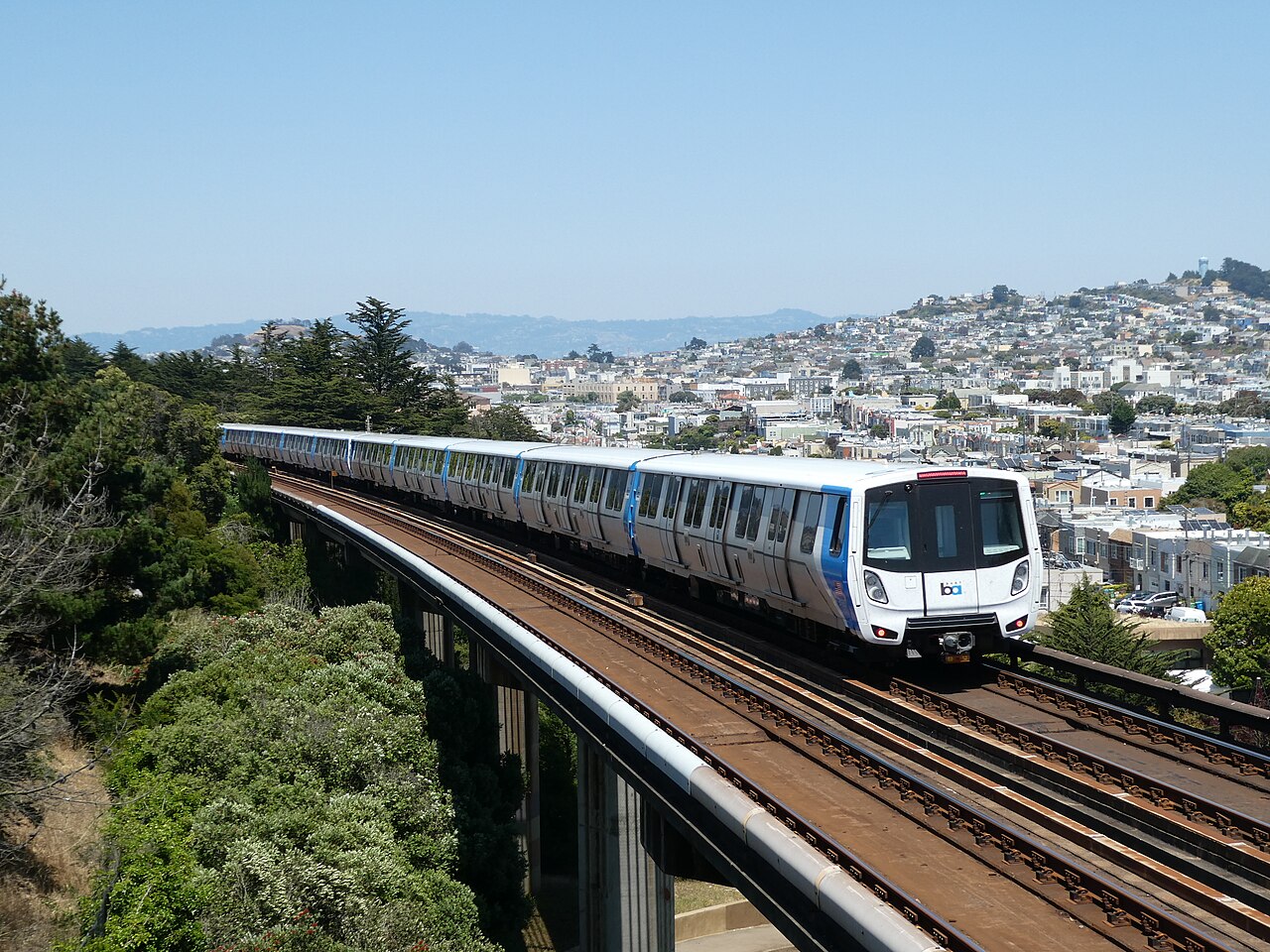
Bay Area Rapid Transit: A Deep Dive into Navigating the Golden Gate's Lifeline
While you might have landed on this page searching for "bart conner net worth" – perhaps curious about the financial standing of the celebrated Olympic gymnast – this article takes a different route entirely. Our focus is squarely on BART, but not the individual. We're talking about the
Bay Area Rapid Transit system, the intricate network of trains that serves as the pulsing circulatory system of the San Francisco Bay Area. This comprehensive guide will navigate you through everything you need to know about BART, from its operational backbone to practical tips for riders, establishing its undeniable value as a crucial public transportation utility, completely separate from any individual's personal finances or a "bart conner net worth" inquiry.
Understanding BART: The Backbone of Bay Area Mobility
The Bay Area Rapid Transit system is far more than just a collection of trains; it's an indispensable public transit network connecting major cities, economic hubs, and residential communities across five Bay Area counties: San Francisco, Alameda, Contra Costa, San Mateo, and Santa Clara. Since its inauguration in 1972, BART has grown to become the fifth-busiest heavy rail rapid transit system in the United States, facilitating millions of passenger trips annually. Its streamlined, electrically powered trains offer a welcome alternative to the region's often congested roadways, contributing significantly to reduced traffic and carbon emissions.
Unlike a personal financial portfolio or the details surrounding a "bart conner net worth," BART represents a collective investment in regional connectivity and sustainability. It's designed to move people efficiently, linking critical destinations like San Francisco International Airport (SFO) and Oakland International Airport (OAK) directly to downtown areas and suburbs. For commuters, it's a daily lifeline; for tourists, it's an accessible gateway to exploring iconic landmarks and diverse neighborhoods without the stress of driving and parking. The system boasts 50 stations and 6 lines, spanning over 131 miles, a testament to its widespread reach and operational complexity.
Practicalities of Riding BART: Your Essential Guide
Navigating BART for the first time can seem daunting, but with a few key pieces of information, you'll be riding like a local in no time. Understanding the system involves knowing how to pay, plan your trip, and recognize the various services offered.
Fares and Payment: Your Ticket to Ride
BART operates on a distance-based fare system, meaning the cost of your journey depends on how far you travel. The most common and recommended payment method is the **Clipper Card**. This reloadable transit card can be used across multiple Bay Area transit agencies, offering convenience and often better value than single-use paper tickets. You can purchase a Clipper Card at any BART station fare machine, most Bay Area Walgreens stores, or online. It's easy to add cash value or a transit pass to your card, ensuring a seamless experience. For those with compatible smartphones, mobile payment options linked to Clipper are also available, making payment as simple as a tap. While you might try to uncover a "bart conner net worth" through detailed financial records, understanding BART's fare structure is transparent and readily available on their official website or at any station.
Trip Planning and Schedules: Be On Time
Planning your BART journey is straightforward thanks to modern digital tools. The official BART website (bart.gov) offers a robust trip planner that provides real-time schedules, estimated travel times, and fare calculations. Third-party apps like Moovit also integrate BART data, offering comprehensive routing options that include transfers to other transit systems like Muni (San Francisco's municipal railway) or AC Transit (East Bay buses). Checking for service advisories, delays, or planned maintenance before you travel is always a smart move, especially during peak hours. This proactive approach ensures you avoid unexpected delays, a much simpler task than calculating a "bart conner net worth" from publicly available information.
Understanding Lines and Stations
BART's six lines are color-coded and clearly marked, making it easy to identify your route. Key lines include:
*
Yellow Line: Antioch to SFO/Millbrae (via Pittsburg/Bay Point, Oakland, San Francisco).
*
Green Line: Berryessa/North San Jose to Daly City (via Fremont, Oakland, San Francisco).
*
Blue Line: Berryessa/North San Jose to Dublin/Pleasanton (via Fremont, Oakland).
*
Orange Line: Richmond to Berryessa/North San Jose (via Oakland).
*
Red Line: Richmond to Millbrae (via Oakland, San Francisco).
*
Dark Blue Line: Dublin/Pleasanton to Daly City (Weekends only).
Each station is equipped with clear signage, fare gates, and accessible features. Most stations have elevators and escalators, and trains are designed to accommodate wheelchairs and strollers. Remember to always "tag on" with your Clipper Card when entering and "tag off" when exiting to ensure you're charged the correct fare.
BART's Crucial Role in Connecting Key Bay Area Destinations
BART's strategic placement and extensive network make it indispensable for accessing the Bay Area's most significant destinations, catering to both daily commuters and eager tourists. It’s a vital artery, much like the flow of commerce and capital, though entirely distinct from the singular concept of a "bart conner net worth."
Seamless Airport Connections
One of BART's most celebrated features is its direct connection to major international airports. The **Yellow Line** offers direct service to San Francisco International Airport (SFO), whisking travelers from downtown San Francisco, Oakland, and points east directly to the airport terminals. For Oakland International Airport (OAK), the dedicated **BART to OAK Airport Connector** provides a swift, automated train link from the Coliseum station directly into the airport, offering unparalleled convenience for air travel. These connections underscore BART's role in facilitating regional and global mobility.
Accessing Urban Centers and Tourist Hotspots
BART seamlessly links you to the heart of urban life. From the bustling financial district of San Francisco to the vibrant cultural scene of Oakland and the academic hub of Berkeley, BART stations are strategically located to put you within easy reach.
*
San Francisco: Stations like Embarcadero, Montgomery, Powell, and Civic Center drop you in the midst of downtown, near Union Square shopping, world-class museums, and the iconic Ferry Building. A short walk or a quick Muni transfer can take you to Fisherman's Wharf, Alcatraz ferries, and AT&T Park (now Oracle Park).
*
Oakland: Explore Oakland's diverse neighborhoods from stations like 12th Street/Oakland City Center or Lake Merritt, providing access to Jack London Square, Lake Merritt itself, and the city's burgeoning arts and food scene.
*
Berkeley: The Downtown Berkeley station places you steps away from the University of California, Berkeley campus and the lively shops and restaurants of Telegraph Avenue.
*
Beyond: BART extends its reach into Contra Costa County (Walnut Creek, Concord) and the South Bay (Fremont, Berryessa/North San Jose), connecting residential areas to employment centers and recreational opportunities.
Tips for a Smooth BART Experience
To make your BART journey as pleasant and efficient as possible, consider these practical tips:
*
Travel Off-Peak if Possible: Rush hours (typically 6-9 AM and 3-6 PM on weekdays) can see crowded trains. If your schedule allows, traveling outside these times offers a more relaxed experience.
*
Stay Aware: While BART is generally safe, like any public transit system, it's wise to be aware of your surroundings and keep valuables secure, especially when waiting on platforms or during crowded rides.
*
Check for Alerts: Before heading out, always check the BART website or official app for service alerts, delays, or unexpected closures. Real-time information can save you time and frustration.
*
Accessibility: BART is committed to accessibility. If you require assistance, look for accessible fare gates, elevators, and designated seating areas on trains. Information for riders with disabilities is extensively available on their website.
*
Mind the Gap: A classic phrase, always be mindful of the gap between the train and the platform when boarding and exiting.
*
BART Etiquette: Practice common courtesy—offer seats to those who need them more, keep your voice down, and don't block aisles or doors.
It's crucial to differentiate between this vital public transportation system and personal finance queries. For those still
searching Bart Conner Net Worth? Context is About Bay Area Transit, and this article aims to provide comprehensive information on the latter. If your primary interest is indeed Bart Conner's financial standing, you might be looking for
Bart Conner Net Worth: Info Not Found in BART Transit Data, as BART's operational data focuses purely on transportation.
Conclusion
The Bay Area Rapid Transit system is a remarkable engineering feat and an essential component of the region's infrastructure, facilitating efficient, convenient, and environmentally friendly travel for millions. It connects communities, fosters economic activity, and opens up the wonders of the Bay Area to everyone. While its name might coincidentally sound like a search term for a famous gymnast's financial standing, BART's true value lies in its public service and its unwavering commitment to moving the Bay Area forward, one train ride at a time. So next time you're planning to explore the Bay, leave the car behind and experience the efficiency and convenience of BART – a system that delivers far more than just financial figures.